A B2B/B2C document flow platform: create, sign, send. 100,000+ monthly active users.


A 120-person company with no design function — and a core flow quietly breaking: documents sent dropped 24% in six months, sending success fell 32%.
Joined as the first designer ever. Built the design practice, system, and research culture from zero, redesigned the core flows — then made the case for a team, hired it, mentored it, and became Head of Design.
+27% product sales after the UX redesign, +14% documents sent, a 1→5 design team — and Employee of the Year, voted by both peers and management.
"I joined as a Product Designer — the first and only designer in a 120-person company. Two years later, I was running the department."
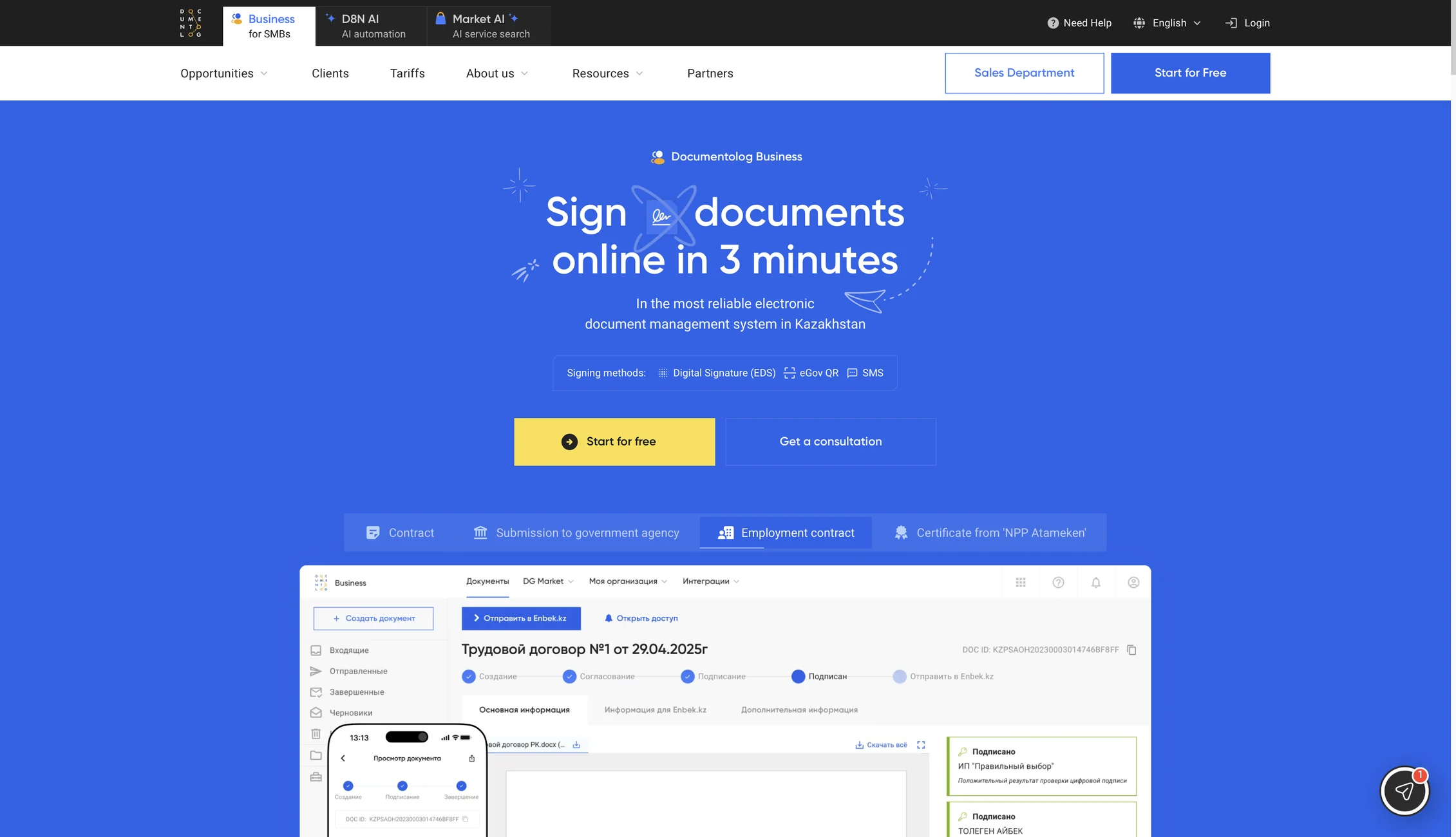
Documentolog is a B2B/B2C document exchange platform with 100K+ monthly active users. When I joined, there was no design function, no design system, and no culture of user research. I started as an individual contributor doing everything myself — and over 2.5 years built all of it.
When I arrived the company sold one product. By the time I left it sold three, plus the site that had to explain them. I was the design function for all of it.
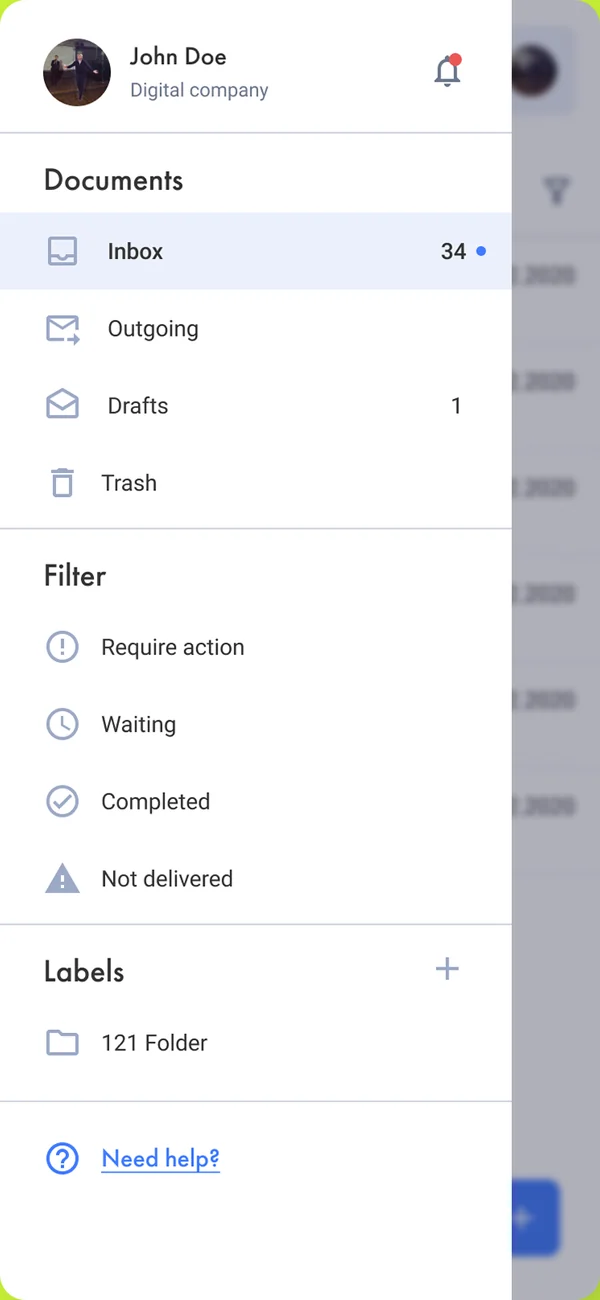
By 2021 the platform carried the whole company — on a dated design. DocuLite’s MVP, the site’s homepage and the first UI kit were all in flight at the same time; CV Hub joined them at the end of 2022. Nothing ran in sequence — four products were being designed and rebuilt in parallel, by one person. That arithmetic is what I took to management to argue for a design department. I got it.
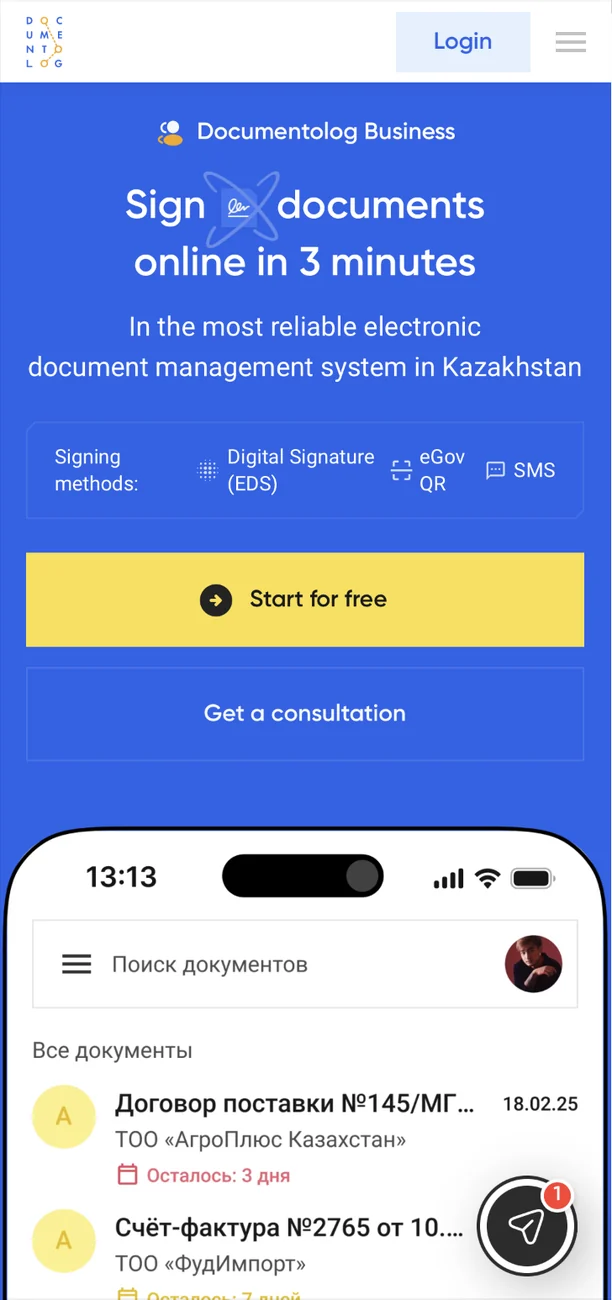
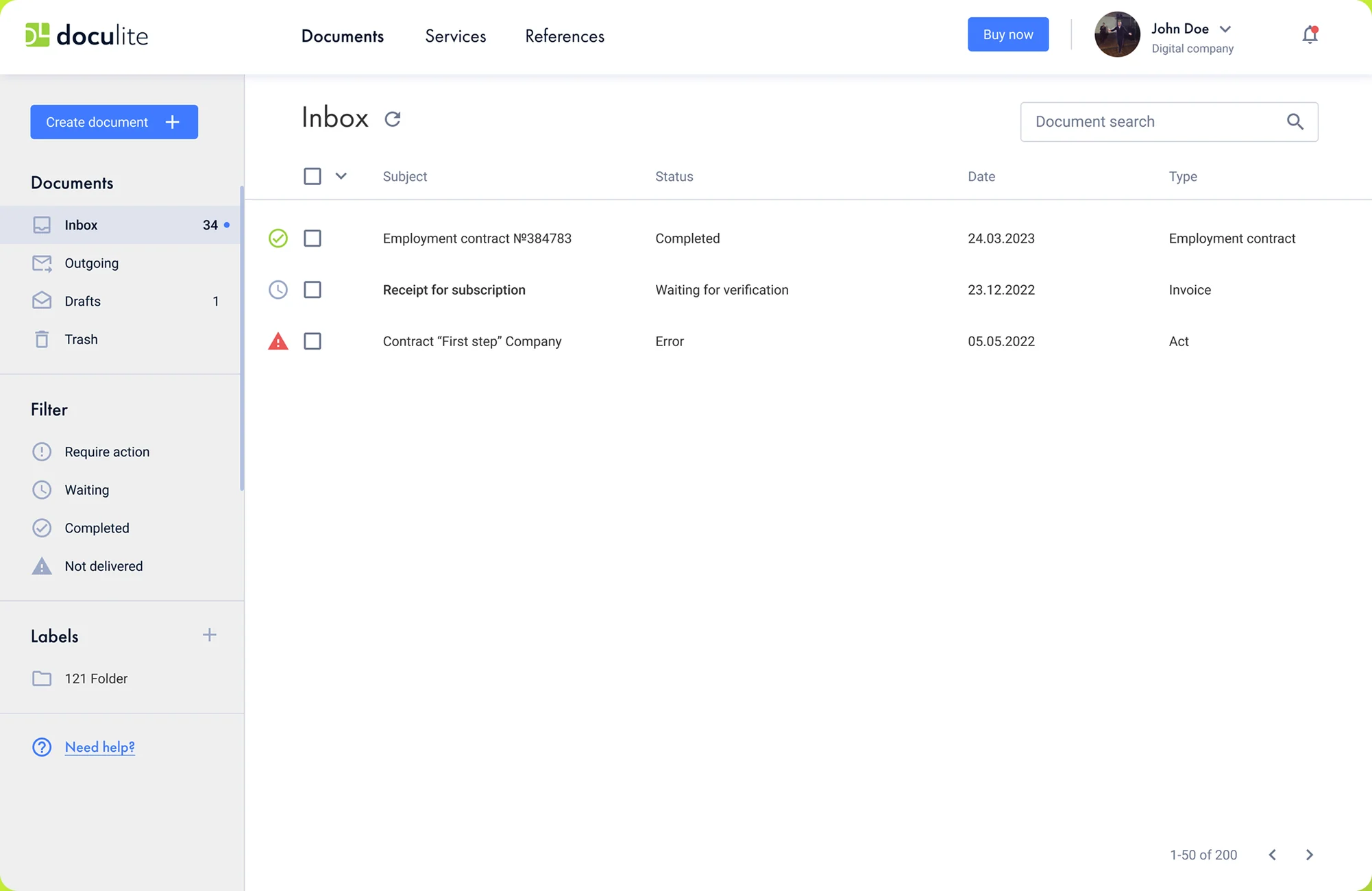
The original product. Enterprise document flow — create, sign, send. Its sending flow is the deep dive below.
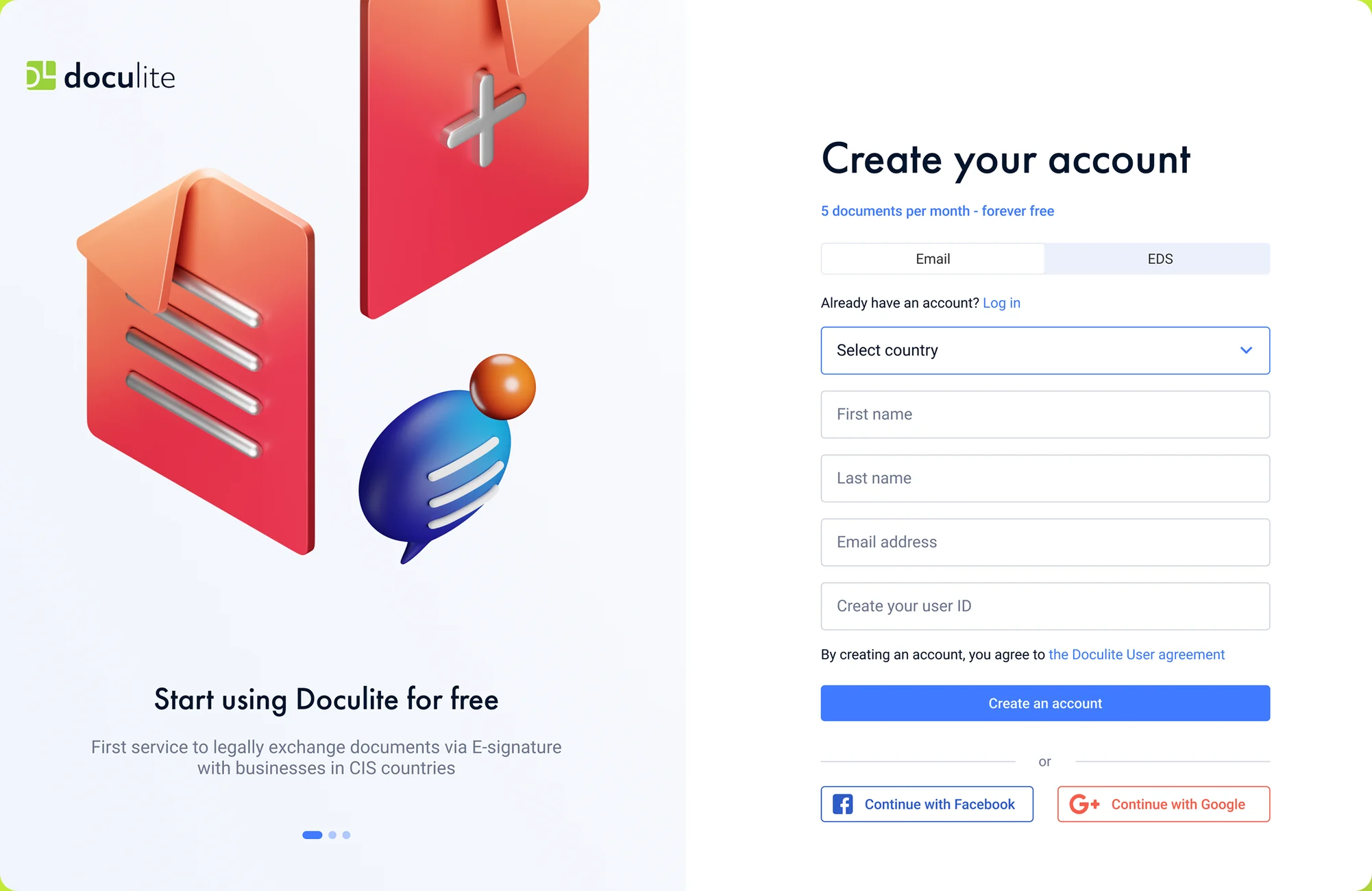
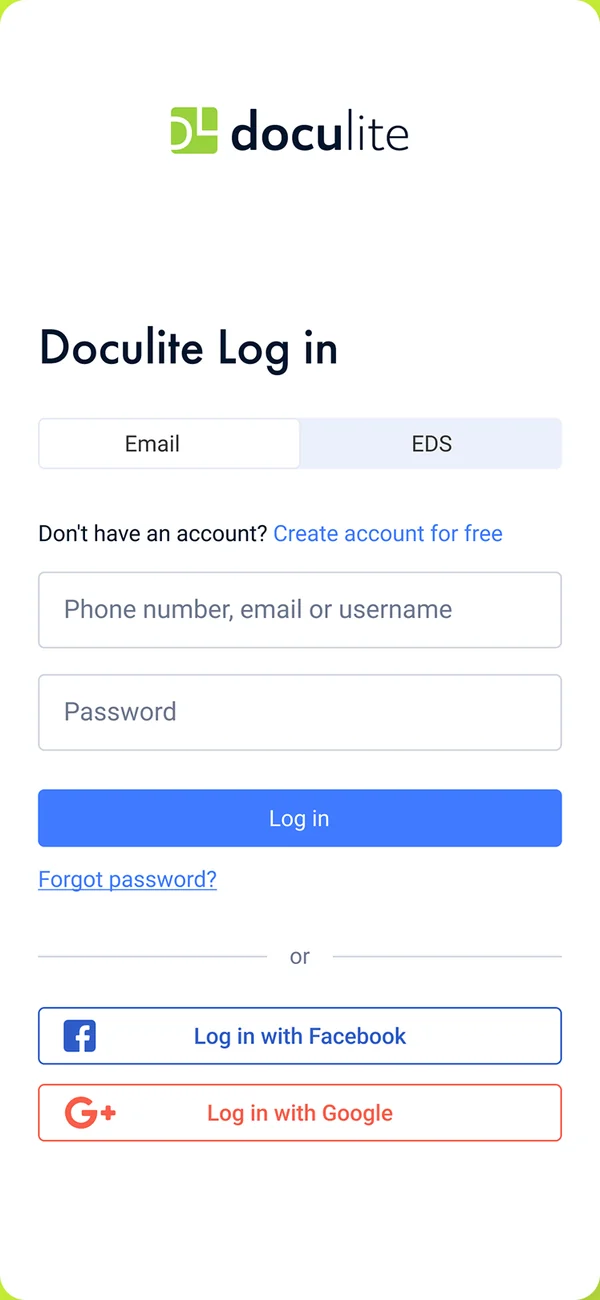
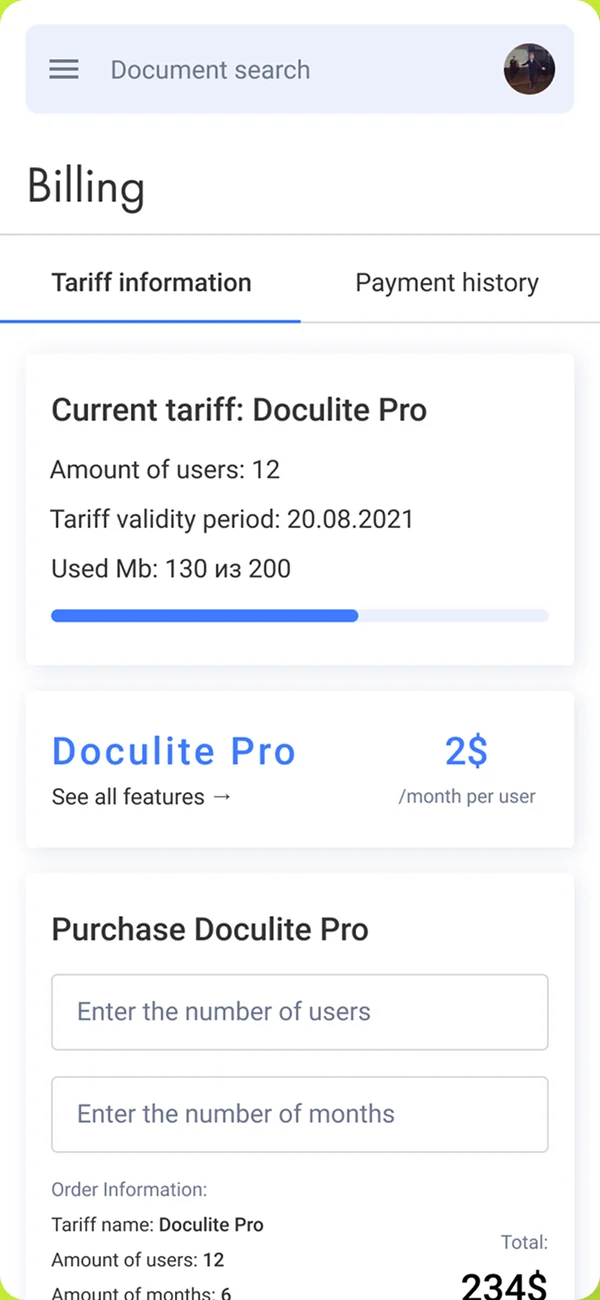
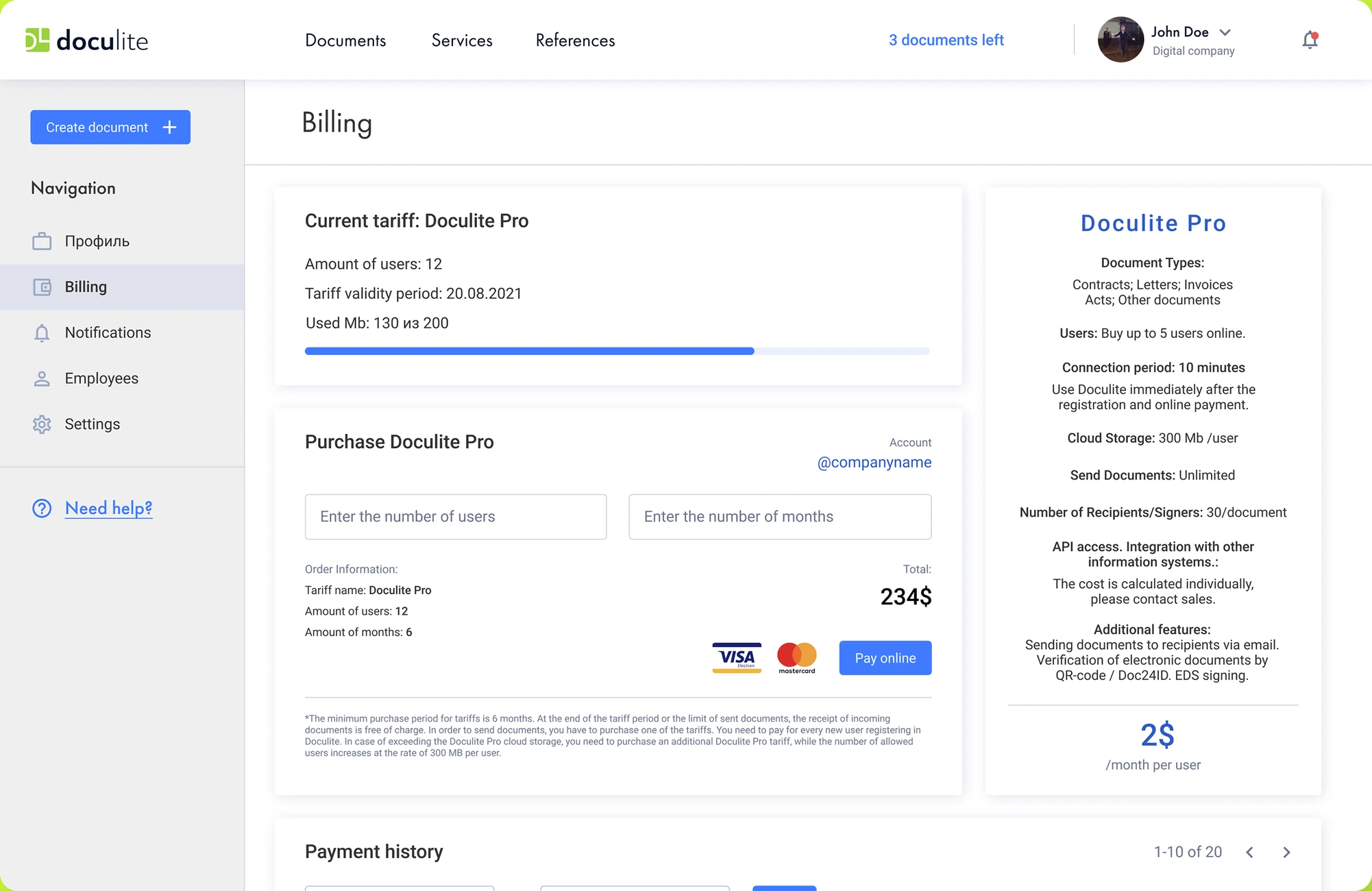
Designed from zero. A stripped-down, self-serve version of the platform — the DocuSign-shaped product the company was missing.
Designed from zero. A job-search vertical whose real edge was signing the contract on the spot — wired straight into DocuLite and the platform.
Rebuilt so a visitor could tell what the company actually sold. The old site cost leads by leaving that unclear.
Support tickets flagged document sending as the third most common issue. Digging into the data revealed the scale of the problem:
Stakeholder interviews, user surveys, usability testing, and competitive analysis all pointed to the same root cause: the UI buried key actions and gave users no clear path forward.
40+ page system covering all scenarios and edge cases. Full component library, specs, tokens — used by developers daily.
User interviews, surveys, usability testing, competitive analysis. Research became a first-class part of the process.
Comparative prototype testing with 30 participants validating design direction before development.
After years of being the only designer, I made the case for growing the team — to a management that initially didn't believe design mattered for business. It took many discussions and presentations, but I earned the mandate: I ran the hiring process, conducted technical interviews with final say on selection, hired juniors, and mentored them into strong mid-level designers.
The investment paid off in delivery, not just design quality: with a real team, a design system, and established workflows in place, development speed on our projects roughly doubled — design stopped being the bottleneck.
"One of those designers is now a team lead. Another is a mid-level at a major fitness brand. The third took over my Head of Design position when I left."
I was voted Employee of the Year by both colleagues and management — and became part of the company's core team. The goal throughout: raise the UX maturity of the entire organization.
"Alina joined my team at Documentolog in December 2020 as a Product Designer. Over the next 3.5 years, she grew into the role of Head of Design, successfully building and uniting a team around her.
Throughout her time at the company, Alina consistently demonstrated professionalism, responsibility, and attention to detail. What distinguishes her is her ability to think beyond interfaces. She takes the time to understand business goals, user needs, and product strategy. In addition to her strong product thinking, Alina has excellent design judgment and a refined aesthetic sense.
I believe Alina would be a valuable addition to any organization looking for a design leader who combines hands-on expertise and a deep understanding of product development."
Four designers hired and mentored from scratch; one of them took the Head of Design seat when I left. The system, the specs and the research practice I introduced stayed in daily use.